Introduction
One of the most common questions pet owners ask is: does pet insurance cover dental treatment in the UK? Dental care is essential for keeping cats and dogs healthy, but it’s also one of the most expensive and confusing areas of veterinary medicine. Many owners assume that routine dental work is included, only to be caught out when faced with a large bill for extractions or gum disease treatment.
In 2025, dental care remains a grey area across many policies. This guide explains when dental is covered, when it isn’t, how much treatment typically costs, and which UK insurers offer the best options for pet owners who want peace of mind.
Why Dental Care Matters for Pets
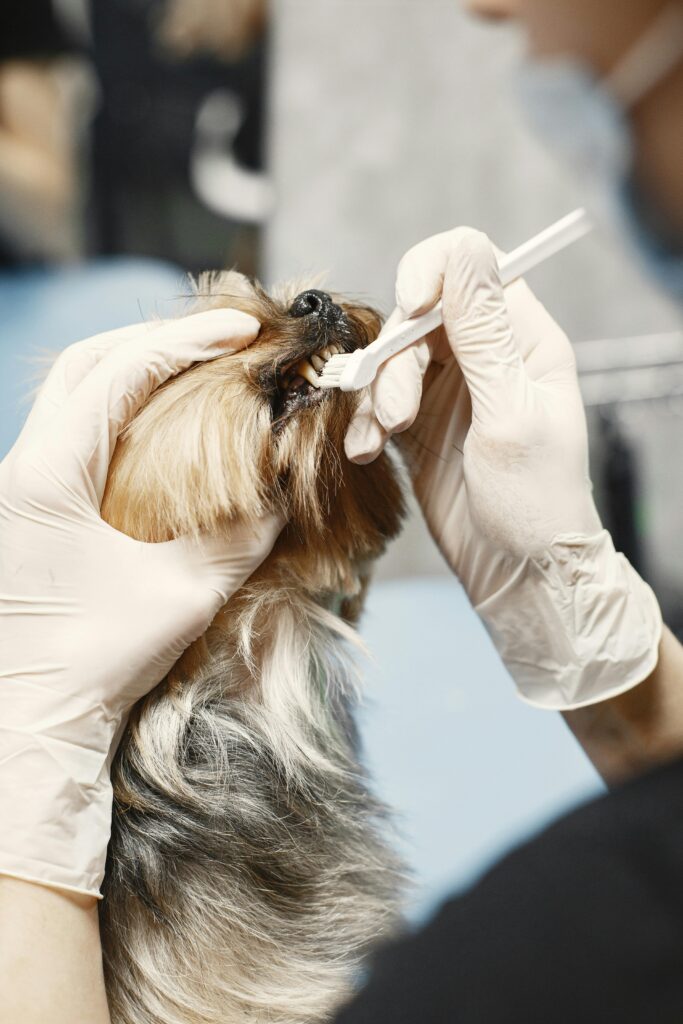
Dental problems are more than cosmetic. Plaque and tartar can lead to painful gum disease, tooth loss, infections, and even systemic health issues like kidney or heart disease. Regular care is important, but the reality is:
- Over 80% of dogs and 70% of cats over the age of 3 show signs of dental disease.
- Dental treatment is one of the most common reasons for unexpected vet bills.
- Costs have risen sharply in recent years, with complex procedures running into the thousands.
This makes dental cover a critical question when comparing pet insurance in the UK.
When Pet Insurance Covers Dental
Most policies only cover dental in specific situations. Common scenarios include:
1. Accidents and Injuries
If your pet breaks a tooth after chewing something hard or suffers jaw trauma, many insurers will pay for emergency dental treatment.
2. Illness-Related Dental Problems
Some lifetime policies include dental cover if illness is the underlying cause (e.g. gingivitis, gum disease, or tooth root abscesses). This usually requires evidence that you’ve kept up with annual vet check-ups.
3. Emergency Treatment
If dental problems cause a medical emergency — for example, a severe infection requiring surgery — insurers may cover costs under general illness cover.
What’s Usually Excluded
Despite these protections, most policies exclude:
- Routine dental care – cleaning, polishing, scaling, or descaling.
- Preventative treatments – dental chews, special diets, or wellness plans.
- Pre-existing dental conditions – anything diagnosed before the policy starts.
- Elective procedures – cosmetic or non-medically necessary treatments.
This means owners must still budget for regular cleaning and preventative care, even if they have comprehensive insurance.
Average Costs of Pet Dental Care in the UK
Dental bills vary by pet size and condition severity. Typical ranges include:
- Scale and polish: £200–£400
- Tooth extraction (single): £300–£500
- Multiple extractions or complex surgery: £800–£1,500+
- Advanced dental surgery: £2,000+
Cats and small dogs tend to have lower costs, but brachycephalic breeds (Pugs, Bulldogs) and older pets often face higher bills. Insurance that includes dental illness can save hundreds, if not thousands, over a pet’s lifetime.
Which Insurers Cover Dental in 2025?
Petplan
Petplan is the UK’s most established pet insurer and one of the few that includes dental illness as well as accidents on many lifetime policies. The catch: you must keep up with annual check-ups, or claims may be refused.
ManyPets
ManyPets covers dental accidents across most policies. Some lifetime plans may also cover illness-related dental treatment, but terms vary. It’s worth reading the small print carefully.
Animal Friends
Animal Friends generally limits dental cover to accidents only. Illness-related dental problems are usually excluded, so this is better for budget-conscious owners than those seeking full protection.
Tesco Bank
Tesco offers affordable policies but is restrictive with dental. Most plans cover accidents only, with illness-related dental work excluded.
Waggel
Waggel is a digital-first insurer that simplifies policies, but like Tesco, it focuses on accidents rather than illness-related dental. Routine and preventative treatments are excluded.
👉 For a side-by-side overview, see our main pet insurance dental cover guide.
Tips for Pet Owners
- Read the policy carefully – dental exclusions are often buried in the small print.
- Keep up with vet check-ups – many insurers require proof of annual exams to approve claims.
- Choose lifetime cover where possible – these are most likely to include illness-related dental treatment.
- Budget for routine costs – even the best insurance won’t pay for annual cleaning or polishing.
- Ask about dental add-ons – some vets offer separate wellness plans that cover routine care alongside insurance.
Alternatives if Dental Isn’t Covered
If your policy excludes dental illness, there are other ways to manage costs:
- Preventative vet plans – monthly subscriptions for cleaning and check-ups.
- Dedicated savings account – setting aside £20–£30 a month for dental bills.
- Charity support – the PDSA may help eligible owners with dental emergencies.
FAQs About Pet Insurance and Dental Cover
Does pet insurance cover dental cleaning?
No. Routine dental cleaning, polishing, and scaling are almost always excluded from UK pet insurance policies.
Does pet insurance cover tooth extractions?
Yes, if extractions are required due to an accident or an illness, depending on the policy. Preventative extractions are not covered.
Which pet insurers cover dental illness in the UK?
Petplan and ManyPets are among the few insurers that may cover illness-related dental treatment, provided annual check-ups are kept up to date.
Do I need a separate dental policy for my pet?
No. There are no standalone dental policies for pets in the UK. Dental cover depends on the level of your main pet insurance policy.
Is dental insurance worth it for pets?
Yes. Dental treatment can cost hundreds or even thousands of pounds. Insurance that includes dental illness cover can save money long-term.
Does insurance cover dental for puppies and kittens?
Usually not. Most policies only cover accidents for young pets, while preventative dental care is excluded.
Key Takeaway
Pet insurance in the UK rarely covers routine dental cleaning, but many policies will pay for accidents and, in some cases, illness-related dental problems. Lifetime cover from providers like Petplan offers the most comprehensive protection, while budget insurers often stick to accidents only.
Understanding what’s included, keeping up with vet check-ups, and budgeting for routine care will help ensure your pet’s teeth — and your wallet — are protected in 2025.